
Why Your Baby Sleeps Great for Grandma and Terribly for You
Ah yes. One of parenting’s greatest mysteries.
Your baby:
Wakes every 45 minutes with you
Sleeps three hours straight for Grandma
Naps peacefully for the nanny
Refuses sleep entirely the second you enter the room
Naturally, this leads to the completely reasonable thought:
“Why does my baby hate me specifically?”
Good news: they don’t.
Better news: science explains this perfectly.
First, Let’s Clear Your Name
If your baby sleeps worse for you, it is not because:
You’re doing something wrong
You’ve created bad habits
Your baby is “too attached”
They sense your desperation (I promise)
It’s actually the opposite.
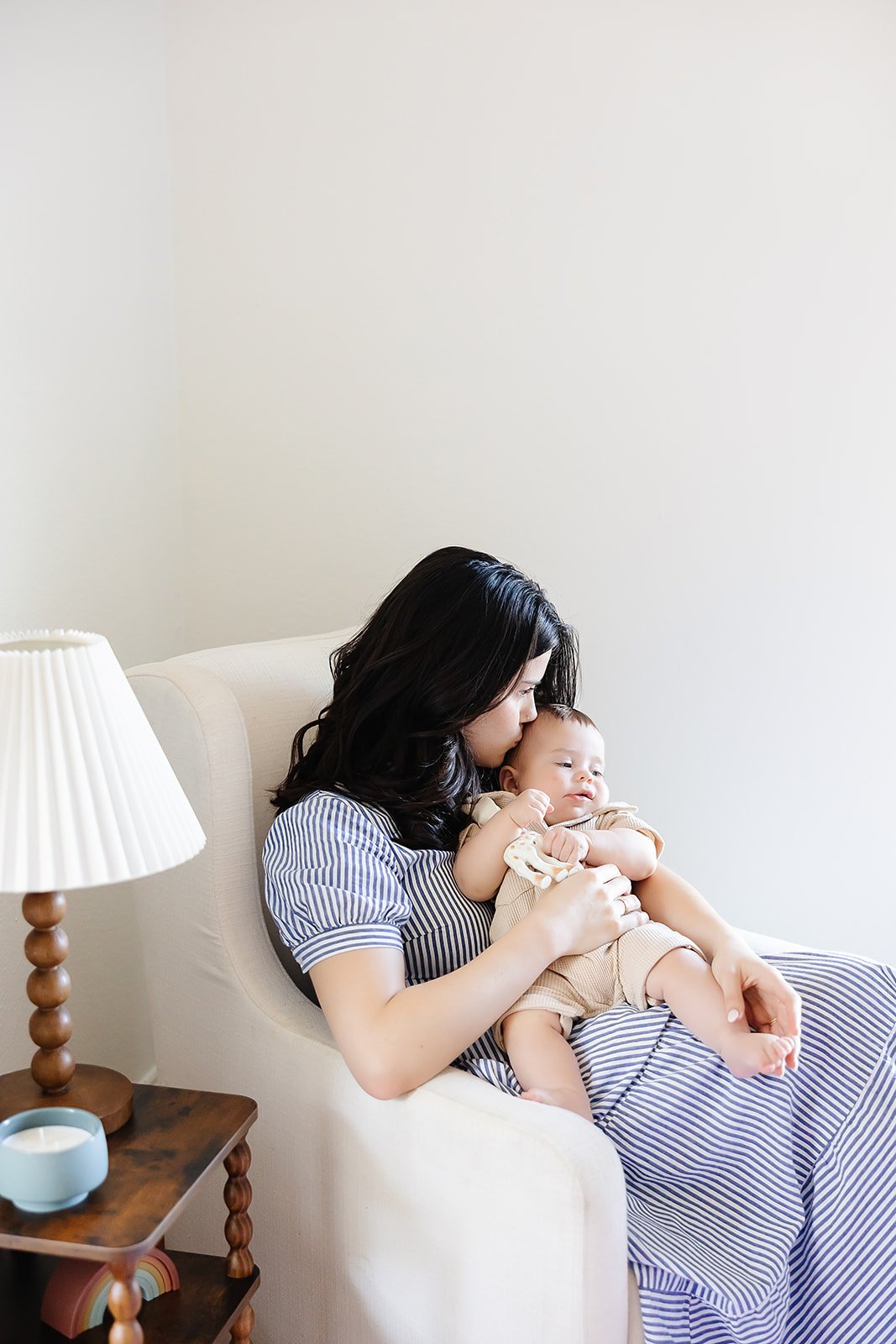
Attachment Is the Plot Twist
Research on infant attachment shows that babies are most emotionally expressive with the caregivers they feel safestwith.
In other words:
You are their emotional home base.
Studies in developmental psychology consistently show that infants protest, cry more, and seek more regulation from their primary attachment figure (Ainsworth, Bowlby, and everyone who ever studied babies seriously).
So when your baby melts down with you but chills out for Grandma?
That’s trust. Annoying, exhausting trust—but trust nonetheless.
Familiarity = More Big Feelings
You smell like comfort.
You sound like food.
You feel like safety.
That means your baby doesn’t need to “hold it together” with you.
With someone else, babies often:
Stay more alert
Cry less initially
Rely more on external regulation
Not because they’re happier—because they’re in observer mode.
Think of it like adults being polite at a dinner party, then collapsing emotionally at home. Same concept. Smaller human.
Sensory Science Plays a Role Too
Babies associate their primary caregiver with:
Feeding
Comfort
Sleep routines
Your presence can actually be stimulating, especially around sleep.
Research in sensory processing and infant learning shows that familiar stimuli can increase arousal before sleep (hello, “wait… is this a feeding?” moment).
Grandma doesn’t smell like milk.
You do.
Science, once again, is rude.
Why This Shows Up Most at Bedtime
Sleep requires regulation. Babies don’t have that skill yet—they borrow it from adults.
At the end of the day, your baby is:
More tired
More overstimulated
More dysregulated
So they reach hardest for the person who usually helps them regulate.
That person is you.
Congratulations and condolences.
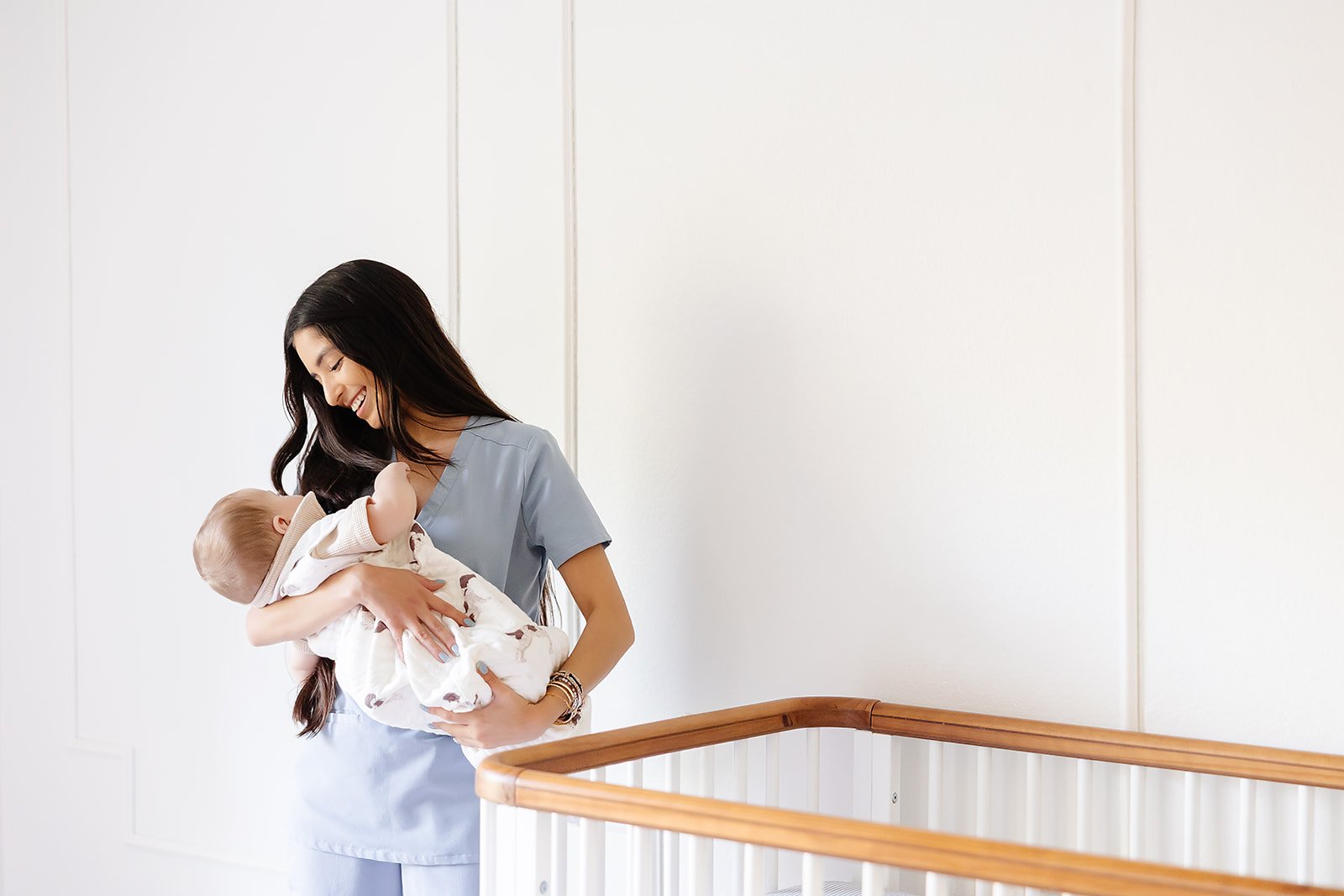
“But They Slept PERFECTLY for Someone Else”
Yes. And:
That doesn’t mean it will last
That doesn’t mean your baby prefers them
That doesn’t mean you’re doing bedtime “wrong”
Sleep variability is normal, especially in the first year. Research shows that infant sleep is highly influenced by context, timing, and emotional state—not just who’s in the room.
Also, babies are chaotic. This is a factor science humbly admits.
What Actually Helps (Without Changing Who You Are)
Keep bedtime calm and predictable
Lower stimulation earlier in the evening
Don’t take protests personally (they are not reviews)
Let trusted caregivers help when possible—it’s healthy, not harmful
And remember: the goal isn’t for your baby to sleep better for strangers.
The goal is for them to feel safe enough to fall apart—and eventually learn to rest.
The Takeaway (Say It With Me)
If your baby sleeps worse for you, it means:
You are their safe place
You are deeply bonded
You are doing something very right
Even if you’re also very, very tired.
