
People often talk about the excitement of welcoming a new baby. There are the first photographs, tiny outfits, family introductions, and special moments parents look forward to throughout pregnancy.
But there is another part of becoming a parent that deserves just as much attention: the emotional experience of postpartum recovery.
After birth, your life changes in ways that can be difficult to explain. You may feel deeply connected to your baby while also missing parts of your previous routine. You may be grateful, exhausted, overwhelmed, proud, uncertain, or several of these emotions within the same afternoon.
Some days may feel wonderful. Other days may feel much harder than you expected.
These experiences do not mean you are doing something wrong. The postpartum period involves significant physical, emotional, and practical adjustments. Parents deserve time and support as they navigate them.
Understanding the emotional side of recovery can help you recognize your needs, communicate with the people around you, and seek additional support when necessary.

Your Emotions May Feel Different After Birth
The postpartum period can bring a wide range of emotions. Hormonal changes, physical recovery, interrupted sleep, feeding challenges, and the responsibility of caring for a newborn can all affect how you feel.
You might find yourself crying more easily, feeling unusually sensitive, or becoming frustrated by situations that would not normally bother you.
You may also experience moments of happiness followed by uncertainty or worry.
These changes can feel confusing, especially if you expected the early weeks to be filled with nothing but joy.
It is important to remember that there is no single correct way to feel after having a baby.
Some parents feel an immediate sense of connection with their newborn. Others need time to build confidence and become familiar with their baby's needs. Some feel comfortable with their new routine quickly, while others need more time and assistance.
Your emotional experience is personal. You do not need to compare it with another parent's story or an idealized version of new motherhood.
Understanding the Baby Blues
The baby blues are common emotional changes that can occur in the days following childbirth.
A parent experiencing the baby blues may notice:
Mood swings
Tearfulness
Irritability
Feeling overwhelmed
Increased sensitivity
Worry or restlessness
Difficulty adjusting to changes in routine
These feelings are generally temporary and often improve within about two weeks after birth.
However, it is important not to assume that every emotional struggle is simply the baby blues. If symptoms are intense, persist, worsen, or interfere with daily functioning, speak with a healthcare professional.
The American College of Obstetricians and Gynecologists' overview of perinatal mental health conditions explains the differences between baby blues and more serious mental health conditions.
You do not have to wait until you reach a particular point to ask for help. If something feels wrong or concerning, it is appropriate to talk with your provider.
Postpartum Depression and Anxiety Deserve Attention
Postpartum depression and anxiety are mental health conditions that can occur after childbirth. They are not signs of weakness, a lack of gratitude, or an inability to be a good parent.
Postpartum depression may involve persistent sadness, hopelessness, loss of interest, guilt, difficulty connecting with others, or feeling unable to manage everyday responsibilities.
Postpartum anxiety can involve excessive worry, racing thoughts, persistent fear, restlessness, or difficulty relaxing even when the baby is safe and being cared for.
Some parents experience intrusive or distressing thoughts that feel upsetting or frightening. These experiences deserve compassionate, professional assessment rather than shame or judgment.
If you notice ongoing emotional changes, contact your healthcare provider or a qualified mental health professional. They can help assess what you are experiencing and discuss appropriate treatment and support.
You deserve care that takes your emotional well-being seriously.
The Pressure to Feel Happy Can Make Recovery Harder
New parents sometimes feel pressure to appear happy and grateful at all times. Social media can add to this expectation, especially when other families share polished photographs and seemingly effortless routines.
You may begin to wonder why your own experience feels more complicated.
Perhaps you are having trouble sleeping even when someone else is caring for the baby. Maybe you feel overwhelmed by visitors, feeding decisions, or the constant need to respond to your newborn. You might miss having time to yourself and feel guilty for admitting it.
These feelings can be difficult to share when you believe everyone expects you to be enjoying every moment.
But gratitude and exhaustion can exist together. Loving your baby does not mean you will love every part of the adjustment.
You are allowed to need quiet, rest, reassurance, and time away from household responsibilities. You are also allowed to ask someone to take over a task without feeling that you have failed.
Postpartum recovery should not become a performance for other people. Your experience does not need to look perfect to be meaningful.

Sleep and Emotional Well-Being Are Closely Connected
Newborn care often involves frequent waking, feeding, soothing, and diaper changes. As a result, parents may experience significant sleep disruption during the early weeks.
When rest becomes limited, everyday challenges can feel more difficult to manage. You may find it harder to concentrate, make decisions, or regulate your emotions.
Sleep disruption does not automatically cause a postpartum mental health condition, and getting more rest is not a substitute for professional treatment. However, practical support that creates opportunities for rest can be an important part of caring for yourself.
Consider how your household can share overnight responsibilities. Your partner may take certain shifts, a trusted relative may help during the day, or a professional caregiver may assist with scheduled newborn care.
Some families choose overnight newborn care so parents can have a more protected period of rest while a qualified Newborn Care Specialist assists with the baby's routine.
The right arrangement depends on your family's needs. The important thing is to recognize that parental rest matters, too.
Give Yourself Permission to Adjust to Your New Identity
Becoming a parent can change how you see yourself. Your priorities, routines, relationships, and sense of independence may all shift.
You might miss parts of your life before the baby arrived. You may feel uncertain about returning to work, changing your social routine, or finding time for personal interests.
These feelings can be especially complicated when you love your baby and feel grateful for your family.
Give yourself permission to experience the transition without expecting an immediate sense of balance.
You are learning a new role while your body is recovering and your household is adjusting. It is reasonable to need time.
Try to keep a few small parts of your previous routine when possible. That might mean taking a quiet shower, reading a few pages of a book, enjoying a favorite snack, or having a conversation with someone who makes you feel like yourself.
These moments do not need to be elaborate. They are reminders that your identity includes more than your responsibilities as a parent.
Talk Openly About What You Are Feeling
It can be difficult to explain postpartum emotions, especially when you are not sure why you feel a certain way.
Still, communicating with someone you trust can make it easier to receive the support you need.
You might tell your partner that you feel overwhelmed by nighttime responsibilities, or let a family member know that frequent visitors are making it difficult to rest. You can also tell your healthcare provider about mood changes, anxiety, or thoughts that feel unusual or concerning.
Try to be specific when describing your experience.
Instead of saying, “I'm fine,” when you are struggling, you might say:
“I'm having a hard time getting enough rest.”
“I feel anxious even when everything seems okay.”
“I need some time alone to recharge.”
“I'm feeling overwhelmed and would like help with the baby.”
“I don't feel like myself, and I think I should talk with someone.”
The people around you may not recognize what you need unless you tell them. Clear communication gives them an opportunity to respond with practical help and emotional support.
Build a Support System That Includes You
Many postpartum arrangements focus on what the baby needs. Parents prepare feeding supplies, organize the nursery, and plan who will help with newborn care.
Your own needs deserve a place in that plan.
Consider creating a support system that includes family, friends, healthcare professionals, and qualified postpartum care providers.
Your support system may include:
A partner or trusted support person who shares responsibilities
Family or friends who can help with meals and household tasks
An obstetric provider who monitors your recovery
A pediatrician who supports your baby's health
A mental health professional when emotional support or treatment is needed
A postpartum doula who provides nonmedical practical and emotional support
A Newborn Care Specialist who assists with newborn care during scheduled hours
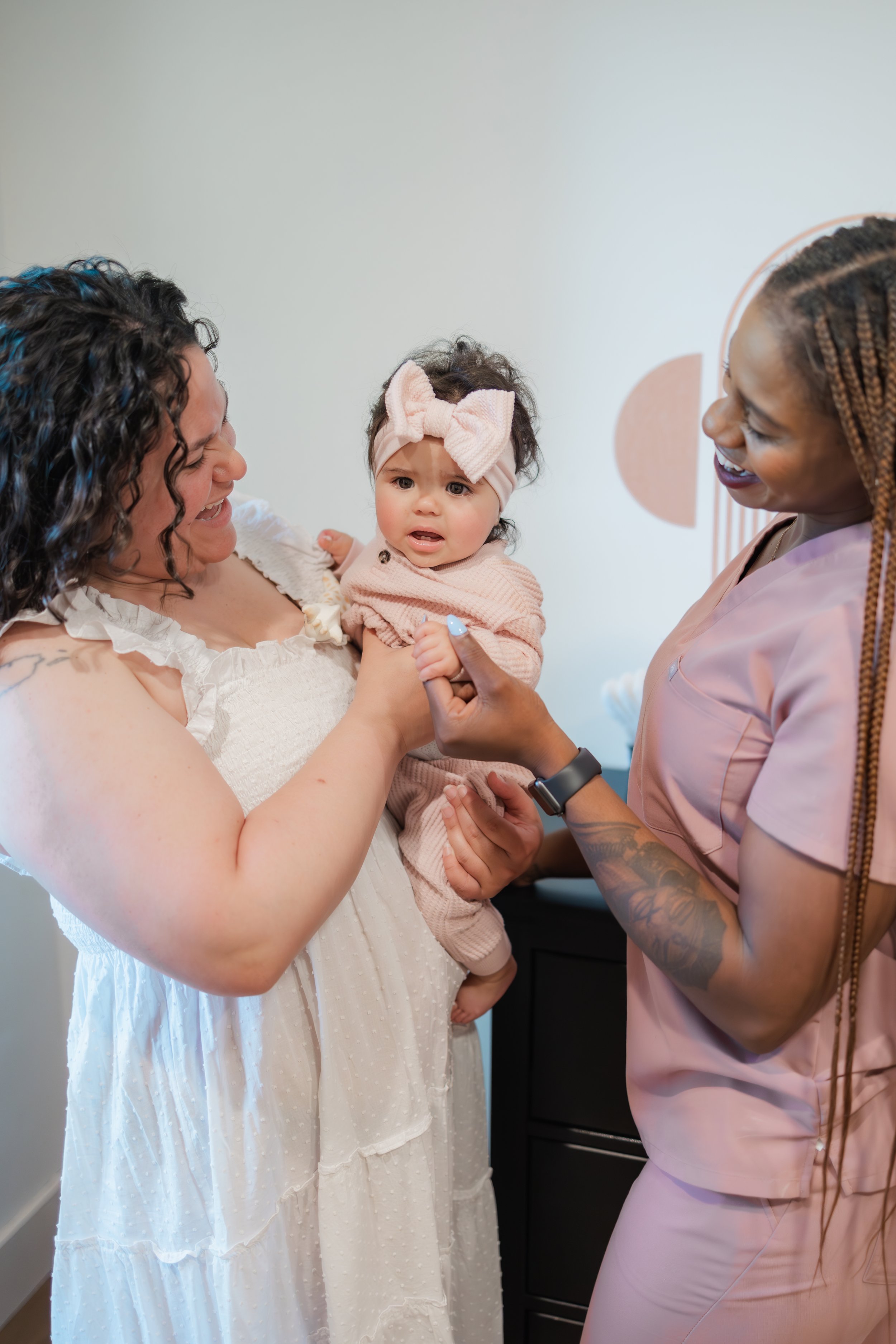
A postpartum doula may help you feel more supported as you adjust to life with a newborn. A Newborn Care Specialist can assist with newborn care routines, including overnight care, depending on the agreed arrangement.
These services do not replace medical or mental health care. Instead, they can complement your healthcare team by helping reduce some of the practical demands at home.
Know When to Seek Immediate Help
Some emotional and physical symptoms require prompt professional attention.
If you experience thoughts of harming yourself or your baby, seek immediate help. Do not remain alone with these concerns. Tell a trusted person and contact emergency services or go to the nearest emergency department.
Also seek immediate medical care for urgent postpartum warning signs such as trouble breathing, chest pain, severe headache, heavy bleeding, or other symptoms that feel serious or unusual.
The CDC's Hear Her campaign explains that serious complications can occur during pregnancy and in the year after delivery. The campaign encourages recently pregnant people and their families to take concerning symptoms seriously.
If you are unsure whether a symptom is urgent, contact a healthcare professional rather than dismissing it.
Asking for help is an important part of protecting your health.
Frequently Asked Questions
Is it normal to cry often after having a baby?
Some tearfulness and mood changes can occur during the early days after birth. However, persistent, intense, or worsening symptoms deserve attention from a healthcare professional.
How do I know if I am experiencing the baby blues or postpartum depression?
The baby blues are generally temporary and improve within about two weeks. Postpartum depression may involve more persistent or severe symptoms that interfere with daily life. A healthcare professional can help assess your symptoms.
Can lack of sleep affect how I feel emotionally?
Sleep disruption can make stress and everyday challenges feel harder to manage. Practical support and opportunities for rest may help, but persistent emotional symptoms should still be discussed with a healthcare professional.
Can a postpartum doula help with emotional support?
A postpartum doula can offer nonmedical emotional encouragement and practical support. A doula does not diagnose or treat mental health conditions, so professional mental health care is important when symptoms require assessment or treatment.
When should I talk to my healthcare provider about my emotions?
Reach out whenever your feelings concern you, interfere with daily life, or do not seem to improve. You do not need to wait for a scheduled postpartum appointment.
Learn More About Our Services 🔗
Harmony Baby Concierge understands that caring for a newborn also means supporting the family welcoming them home. Our services may help reduce some of the practical demands during the postpartum period.
Overnight Newborn Care: Professional support with agreed-upon newborn care responsibilities during the night.
Daytime Newborn Care: Assistance with daily newborn care, feeding routines, and practical household tasks related to the baby.
Postpartum Doula Care: Non-medical support for parents as they recover and adjust to their new routines.
24-hour Newborn Care: Coordinated care arrangements for families who need more extensive support.
Sleep Support Services: Guidance for families working toward age-appropriate sleep routines.
Parenting Classes: Educational support for parents who want to build confidence in caring for their newborn.
The emotional side of postpartum recovery deserves patience, understanding, and support. You do not have to feel happy every moment, manage every responsibility alone, or prove that you can handle everything without help.
Your well-being matters. You are part of the family that needs care, too.
Harmony Baby Concierge is a full-service Newborn Care and Postpartum Support Agency providing professional overnight newborn care, night nurses, postpartum doulas, newborn night nannies, lactation support, gentle sleep conditioning, and parent education to families across major U.S. markets. We proudly serve Dallas, Austin, Houston, and Fort Worth—including Highland Park, University Park, Plano, Frisco, Southlake, Westlake, Prosper, Celina, Preston Hollow, Lakewood, and Lake Highlands—as well as New York City (Manhattan and Brooklyn), Greenwich CT, Denver, Cherry Hills Village, Englewood, Miami, Chicago, Raleigh, Charlotte, Salt Lake City, and Oklahoma City. Whether you are searching for a night nurse in Dallas, a postpartum doula in NYC, or overnight newborn care in Denver, our vetted and contract-supported team delivers elevated, discreet, and reliable postpartum support to modern families with warmth and professionalism.